
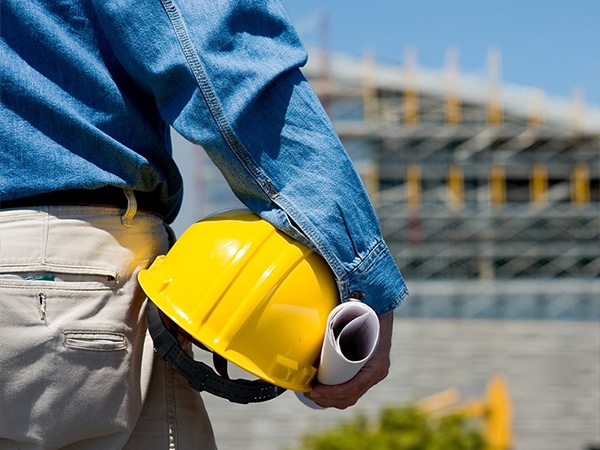
Ensuring a safe worksite is crucial in the construction industry. By implementing proper safety measures, construction companies can protect their workers, prevent accidents, and maintain a productive environment. In this blog post, we will discuss the top 10 essential construction safety tips to create a safe worksite.
- Conduct Regular Safety Training:
Provide comprehensive safety training to all workers, including new hires and subcontractors. Cover topics such as hazard identification, proper equipment usage, emergency procedures, and personal protective equipment (PPE) requirements. - Use Appropriate Personal Protective Equipment (PPE):
Require workers to wear the necessary PPE, such as hard hats, safety glasses, gloves, and steel-toed boots. Ensure that PPE is in good condition and regularly inspect and replace damaged equipment. - Perform Regular Equipment Inspections:
Regularly inspect all construction equipment, tools, and machinery to identify any defects or malfunctions. Address any issues promptly and ensure that only properly maintained equipment is used on the worksite. - Implement Fall Protection Measures:
Falls are a leading cause of construction site injuries. Install guardrails, safety nets, and use personal fall arrest systems (PFAS) when working at heights. Conduct regular inspections of fall protection systems to ensure their effectiveness. - Follow Proper Ladder Safety:
Train employees on the safe use of ladders, including proper placement, securing, and climbing techniques. Inspect ladders for any defects before use and prohibit the use of damaged or unstable ladders. - Promote Hazard Communication:
Effectively communicate potential hazards on the worksite through clear signage, labels, and safety data sheets (SDS). Educate workers on the proper handling and storage of hazardous materials. - Maintain a Clean and Organized Worksite:
Keep the construction site clean and free from clutter, debris, and tripping hazards. Regularly remove waste materials, ensure proper storage of tools and equipment, and maintain clear pathways. - Encourage Proper Manual Lifting Techniques:
Train workers on proper lifting techniques to prevent strains, sprains, and back injuries. Encourage the use of mechanical aids and team lifting for heavy objects whenever possible. - Establish Emergency Response Procedures:
Develop and communicate clear emergency response procedures, including evacuation plans, assembly points, and reporting mechanisms. Conduct regular drills to ensure workers are familiar with the protocols. - Foster a Culture of Safety:
Create a culture of safety by encouraging workers to report hazards, near misses, and incidents without fear of reprisal. Regularly communicate the importance of safety, celebrate achievements, and reward safe behavior.
No comment